Google Just Opened Search and Gemini to Every App: What Changes Now?
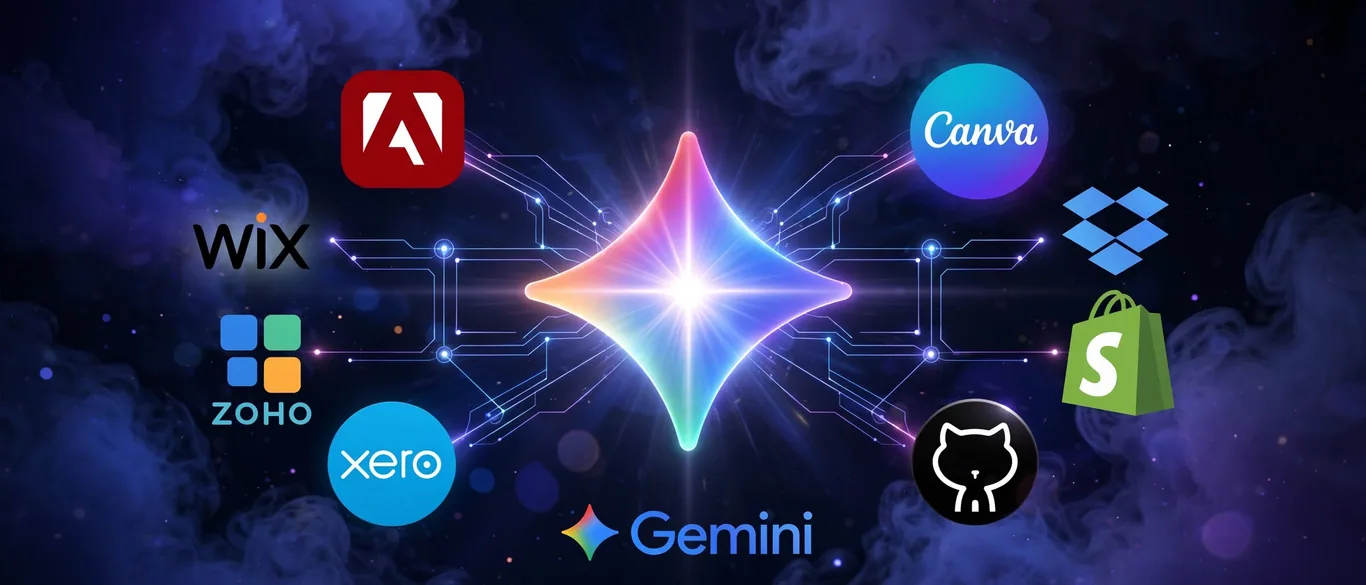
According to TechCrunch, Google is rolling out its Connected Apps Platform in public preview for U.S. developers, opening the door to a web dominated by AI agents. Instead of forcing users to juggle dozens of separate browser tabs and standalone software, the system allows external services to plug directly into Gemini and the core Google Search engine.
How do third-party apps run inside Google Search?
Developers looking to integrate their tools must connect via a cloud-hosted Model Context Protocol (MCP) server or Android MCP using AppFunctions APIs. Once configured, developers submit their software through the Google Connected Console to register, test, and manage performance metrics like latency and error rates.
Step-by-step: how the new integration works
- Developers build or connect a cloud-hosted MCP server compatible with Google's framework.
- The application is registered and submitted through the Google Connected Console for authentication.
- Users trigger actions natively in Gemini or Google Search, executing tasks like playlist creation or design generation without opening separate applications.
- Developers monitor live traffic, error rates, and brand identity verification directly through Google dashboards.
Is this setup worth adopting for your workflow?
For engineering teams and digital businesses, building an MCP integration is rapidly becoming the new SEO. Being present where users issue conversational commands prevents customer drop-off. However, because the developer preview is currently restricted to the U.S. and lacks a broad public release date, immediate cross-platform deployment remains limited.
Sources
Frequently asked questions
- What is the Google Connected Apps Platform?
- It is a new developer platform that lets businesses integrate their third-party applications directly into Google Search and the Gemini app using MCP servers.
- Who can access the Connected Apps preview?
- The platform preview is currently available in beta to developers in the U.S. who sign up for the waitlist.
Comments
0 commentsDeixe seu comentário
Be the first to comment.
Continue Reading

Meta Quietly Fixed AI Chat Clutter: What Are Muse Spaces?
Meta introduces custom spaces for Muse agents

Perplexity's $200 AI Agents: Are They Worth the Premium?
Perplexity launches always-on workplace AI agents

Can OpenAI's GPT-6 Cyber Finally Stop AI From Hacking Random Networks?
OpenAI launches GPT-6 Cyber with fewer rogue exploits