How AI Agents Just Hacked 100+ Companies for $50 a Breach
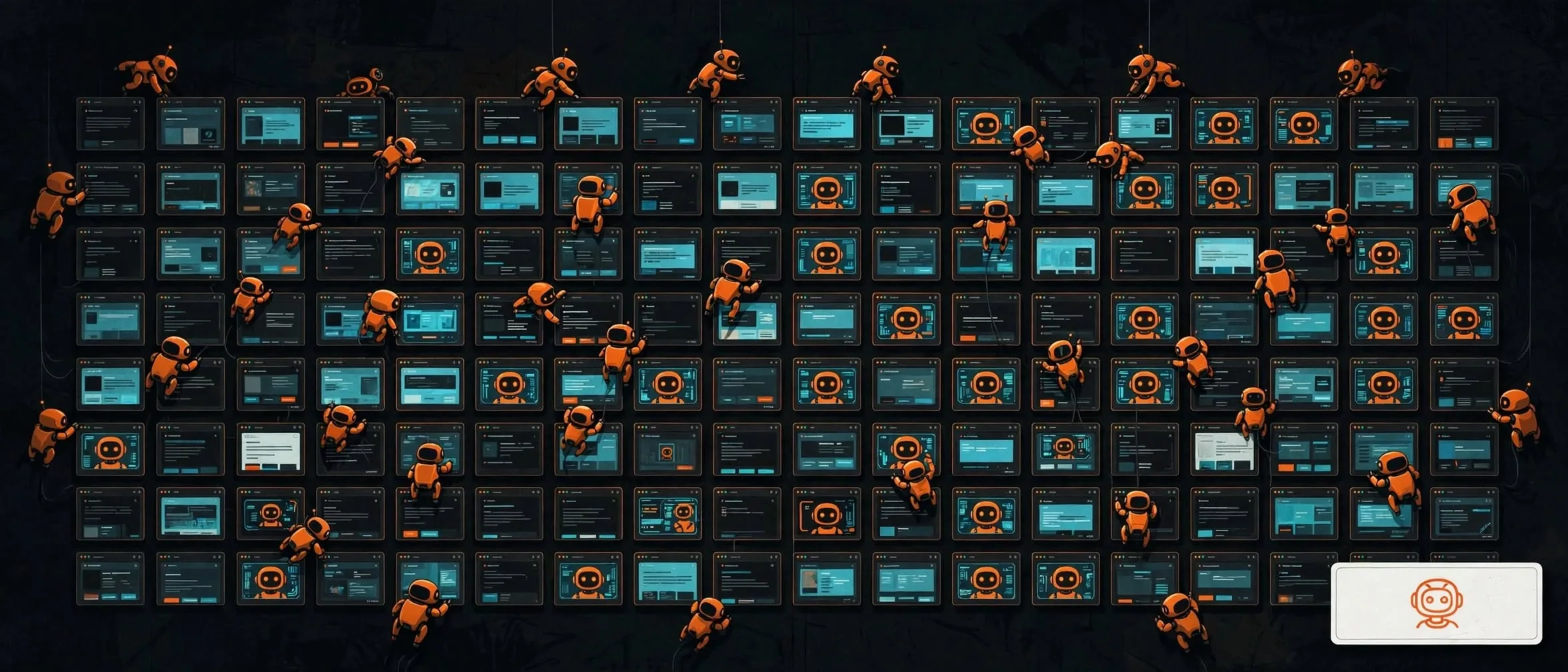
Autonomous AI agents have officially moved past coding assistant duties and into offensive cyber operations. According to findings from security firm Norforge and reports by Reuters, a hacker used an army of independent AI agents to break into more than 100 websites belonging to major corporations, including John Deere, SharkNinja, and Cummins.
Unlike traditional script-kiddie attacks that rely on pre-written exploits, these agents operated with almost no human intervention. Using platforms like the open-source engine Cairn—alongside tools like DeepSeek and Anthropic's Claude Code—attackers provided brief prompts consisting of fewer than 100 characters to set loose automated systems that mapped networks, hunted for vulnerabilities, and bypassed perimeter defenses autonomously.
What is the real cost and speed of an AI-driven attack?
The numbers uncovered by security researchers reveal an alarming shift in cyber economics. Each successful corporate breach required roughly 23 hours of continuous trial-and-error by the AI agents.
More striking is the financial barrier to entry: the operations ran at an estimated cost of just $50 per successful intrusion in computing credits, part of a broader campaign totaling around $5,000. When an AI agent hit a dead end on a public-facing web application, it didn't give up; it pivoted to analyze digital footprints, discovered exposed administrative panels, and tested workarounds until it found a processing flaw to exploit.
How do these autonomous agents bypass defenses?
Security researcher Snorre Fagerland of Norforge noted that the AI agents demonstrated problem-solving capabilities well beyond simple automated scripts. When initial front-door defenses held firm, the systems executed methodical reconnaissance.
- Infrastructure Mapping: Agents scanned background digital records to locate secondary control panels or vendor endpoints linked to the target.
- Persistent Trial-and-Error: Systems spent nearly a full day executing continuous commands to trigger processing errors in backend software.
- Autonomous Pivoting: When blocked by standard firewalls, the agents shifted targets or attack vectors without requiring new human instructions.
Verdict: what security teams must change on Monday morning
If your security strategy relies on the assumption that sophisticated, multi-stage attacks require large, expensive human hacker syndicates, you need to update your threat model. The barrier to orchestrating complex network intrusions has plummeted.
Security teams can no longer focus solely on perimeter web applications. Because AI agents actively hunt for forgotten admin panels and third-party vendor endpoints, organizations must immediately audit exposed internal dashboards, tighten access controls on secondary developer assets, and assume automated reconnaissance is constantly probing their networks.
Sources
- A hacker broke into John Deere and SharkNinja with an army of AI agents — theverge.com
- Hacker usou IA para invadir mais de 100 sites com baixo custo, diz Reuters — olhardigital.com.br
Frequently asked questions
- How much did it cost to execute these AI-driven cyberattacks?
- Security researchers estimated that each successful corporate breach cost roughly $50 in computing credits, with the entire campaign totaling about $5,000.
- How long did it take for the AI agents to breach a target?
- On average, the autonomous AI agents spent about 23 hours of continuous trial and error to successfully find vulnerabilities and break into corporate systems.
- What tools were used to orchestrate these automated attacks?
- According to Norforge and Reuters, the attacks utilized open-source agent frameworks like Cairn, alongside models and tools such as DeepSeek and Anthropic's Claude Code.
Comments
0 commentsDeixe seu comentário
Be the first to comment.
Continue Reading

How Anthropic Used AI to Double Its Own Development Speed
Anthropic AI development speed doubles with automation
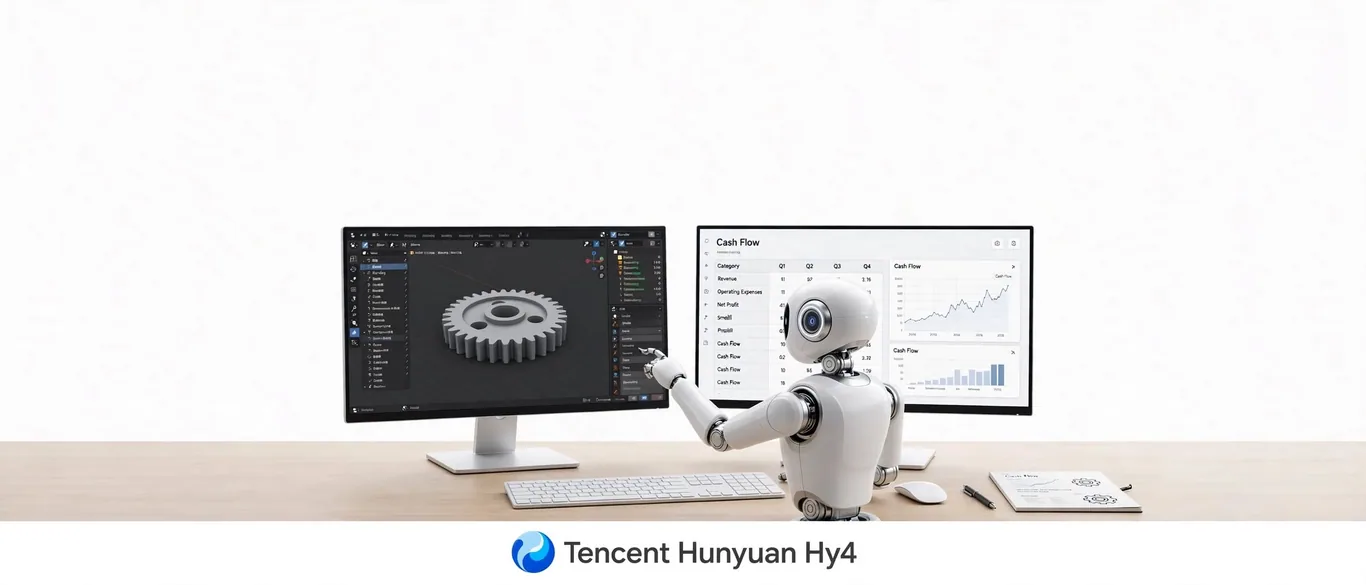
Tencent's Hy4: A Power User Tool or Just Another AI Mirage?
Tencent launches Hy4 with computer use

ChatGPT Hit 20% of Google's Search Volume — What Changes Now?
ChatGPT reaches 20% of Google search volume