Meet Dessa: Jack Dorsey's AI That Sounds Like an Awkward Human
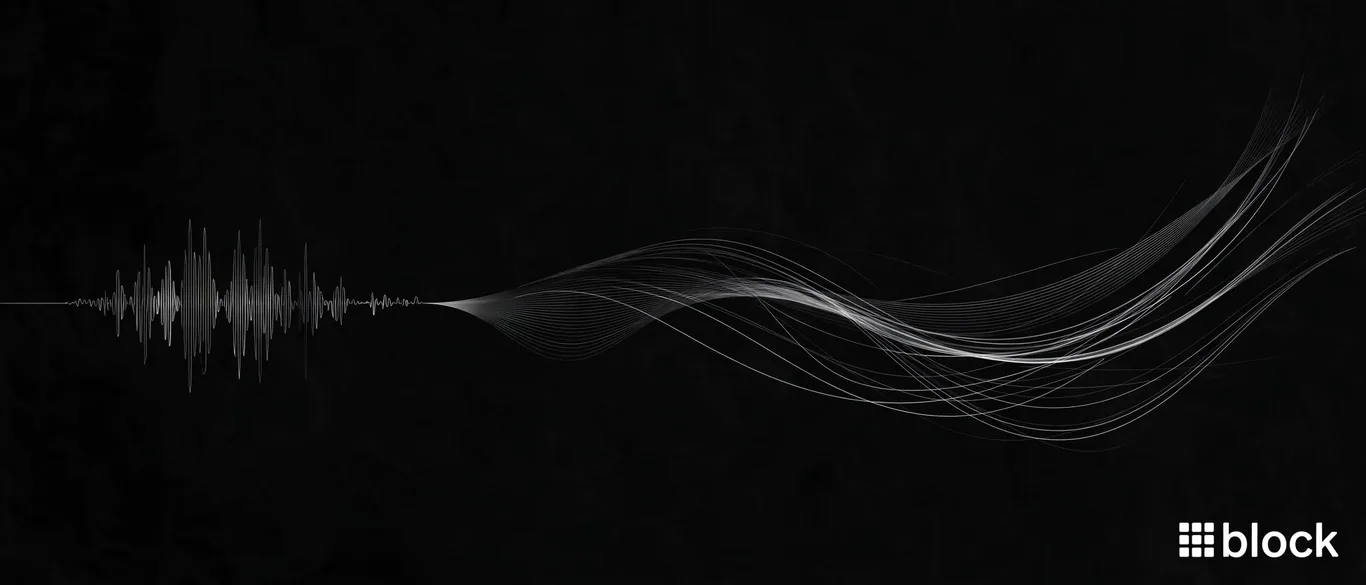
According to The Verge, Jack Dorsey’s company Block has introduced an experimental AI model called Dessa. Unlike standard voice assistants that translate audio into text and back again, Dessa is a true speech-to-speech system built entirely from human conversation records without processing written text first.
How does it work on your desk?
The development team behind Dessa designed the model to bypass traditional text pipelines to capture human timing and vocal emotion more accurately. However, running this kind of raw audio processing locally demands heavy resources. According to Block, the model requires a MacBook Pro equipped with an M4 Max chip or better to function properly.
Early demonstrations reveal a system that behaves more like an unpredictable human friend than a corporate assistant. In test clips shared by the team, Dessa occasionally misidentifies users or goes off on unexpected pop-culture tangents, contrasting sharply with the rigidly polished responses of mainstream models.
Is it worth the hardware strain?
For standard productivity tasks, Dessa is far too erratic to replace traditional transcription or dictation tools. Its current closed access—limited strictly to a small group of safety researchers—means everyday professionals cannot test it on Monday morning.
Yet, the project highlights a crucial shift in voice technology. By training models directly on audio, developers are attempting to solve the glaring empathy gap in current AI, ensuring future systems might actually detect pain or hesitation in a user's voice.
Sources
Frequently asked questions
- What makes the Dessa AI model different?
- Dessa is trained exclusively from scratch on human speech audio rather than written text, allowing it to process vocal emotion and timing directly.
- What hardware is required to run Dessa?
- According to Block, the model can run locally, but it requires a MacBook Pro with an M4 Max chip or better.
- Can regular users test Dessa right now?
- No. Block is currently providing early access only to a small, select group of AI safety researchers.
Comments
0 commentsDeixe seu comentário
Be the first to comment.
Continue Reading
Can a $32M Open Model Beat Big Tech? Inside Ripple-65B
Ricursive launches open Ripple-65B coding model
WhatsApp Just Added AI Outpainting: How to Expand Photos Instantly
WhatsApp tests AI to expand photo backgrounds

Google's New AI Video Tool: A Pro Workflow for Cheap Clips
Google Omni 1.2 Flash cuts video costs