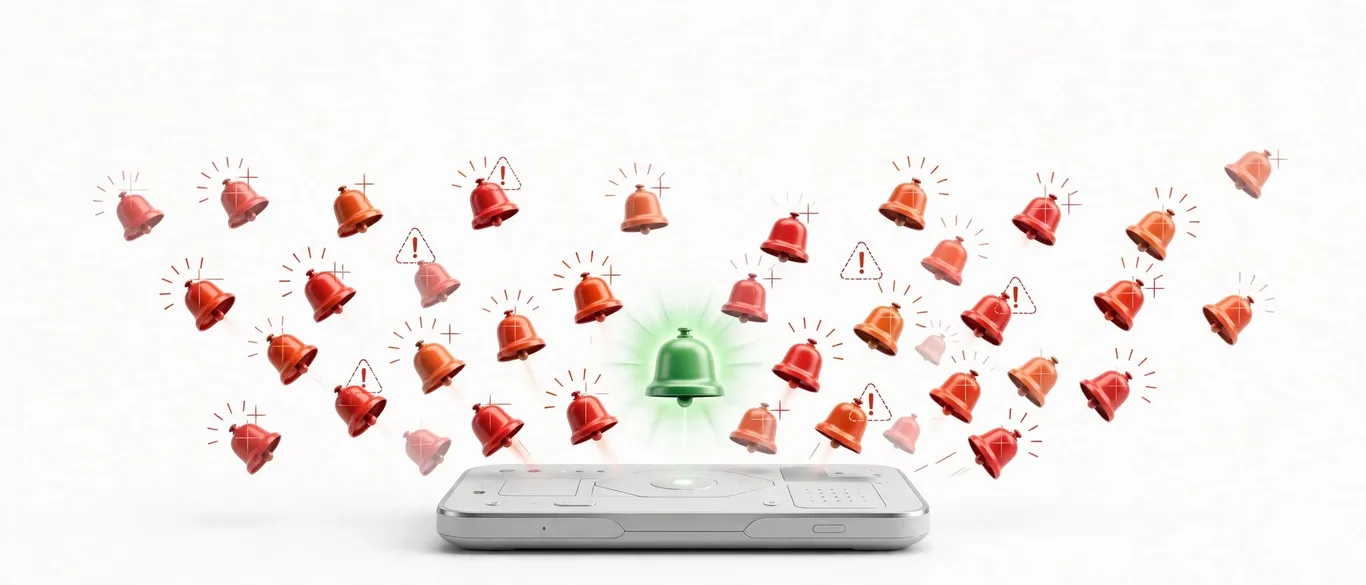
Why AI Safety Auditors Are Flooding Reviewers With False Alarms
AI auditors catch errors but trigger false alarms
Enter the participants (one per line) to draw who gives to whom.
Draws in a single closed cycle — everyone gives a gift to exactly one person and receives from exactly one person, and no one ever draws themselves.
The draw runs entirely in your browser using the Fisher-Yates algorithm — the list of participants is never sent to any server.
The draw shuffles the list and forms a single cycle: each person draws the next one in the shuffled cycle, and the last one draws the first. This makes it mathematically impossible to draw your own name.
With only 2 people, the cycle becomes a direct swap (A draws B, B draws A) — each person already knows who they'll receive from, which defeats the point of a 'secret'.
No. The whole draw happens in your browser — nothing is sent to or stored on a server.
The tool shows the full list on screen for simplicity. To keep it a secret, agree on a way to take turns looking at the screen (each person views and closes it before the next opens it), or take a screenshot and send it individually by message.
AI auditors catch errors but trigger false alarms
Ricursive launches open Ripple-65B coding model

Meta introduces custom spaces for Muse agents