Local and Voice AI Are Failing Your Practical Work Expectations
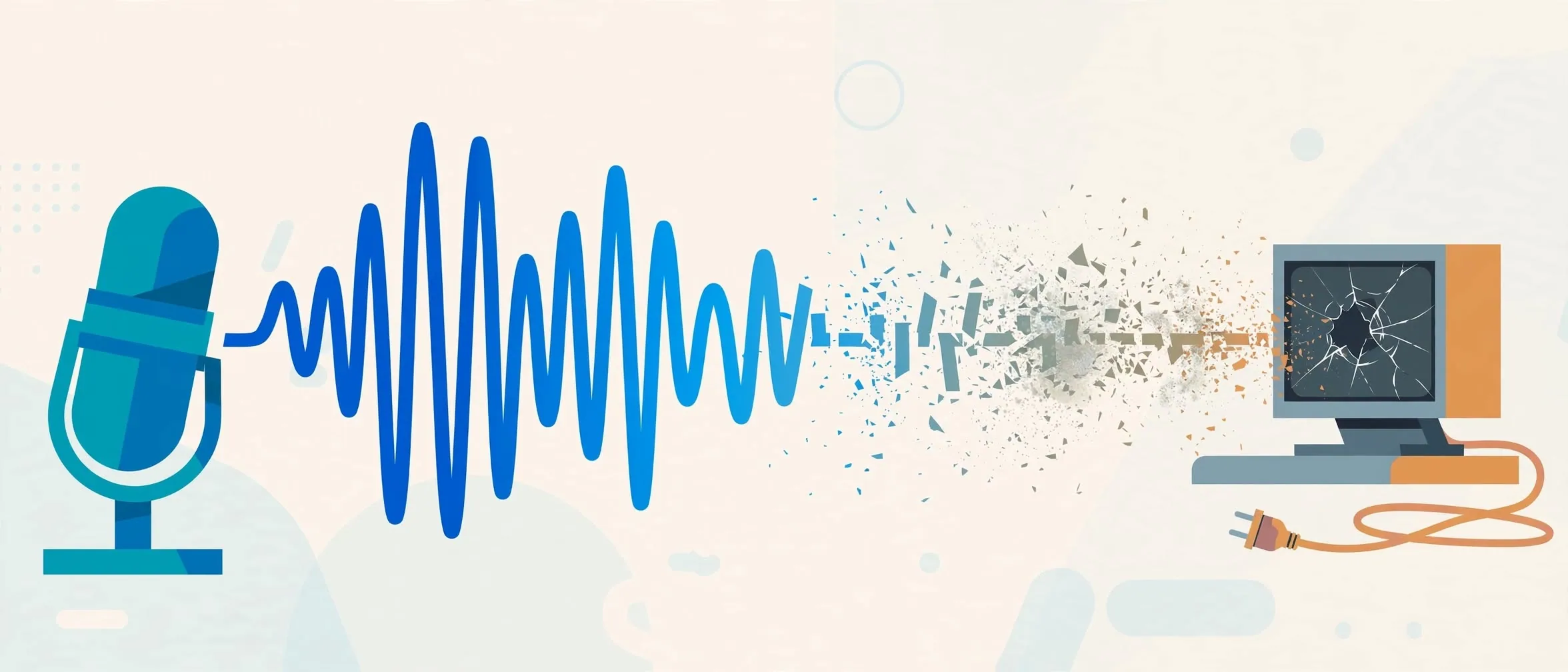
The tech industry wants you to believe that local AI models running on your desk and full-duplex voice assistants are ready to transform your workday. Reality tells a very different story. Between hardware bottlenecks, fragile setups, and severe context gaps in voice recognition, getting practical value from these tools requires serious patience.
Why local AI feels overwhelming on Monday morning
As reported by The Verge during tests with a massive 125-parameter Qwen model running locally via Hermes Agent, setting up personal AI is a friction-heavy process. Even with a high-end Mac Studio, basic automations like morning briefings break easily if the machine goes to sleep, and delegating real work demands granting machine permissions and managing API keys.
Privacy is the main driver for running local models, but the barrier to entry is steep. You are not getting a magical assistant out of the box; you are managing a complex software program that requires troubleshooting, custom scripts, and constant monitoring to perform routine chores like organizing files or sorting data.
The missing ChatGPT moment in voice AI
Meanwhile, voice AI is hitting its own wall. According to TechCrunch, industry executives like PolyAI CTO Shawn Wen and Otter CMO Alex Gay admitted at the HumanX conference that voice AI has not reached its ChatGPT moment. Full-duplex models can listen and speak simultaneously, but they still lack the rapid reasoning needed for truly natural conversations.
Furthermore, underlying Automatic Speech Recognition (ASR) models frequently miss crucial keywords. As Gay points out, if your initial meeting transcription is flawed, every downstream action taken by the AI becomes wrong—destroying user trust the moment an automated summary fails.
Como funciona na prática
If you still want to experiment with local AI or voice tools for specific workflows, keep your implementation narrow and controlled:
- Isolate simple tasks: Use local agents strictly for mundane, highly structured chores like batch-renaming files, sorting local datasets, or organizing offline libraries where cloud data leaks are a risk.
- Verify transcriptions: Never let voice or meeting tools execute automated follow-up actions without a mandatory human review step to catch ASR keyword misses.
- Manage power states: If running local cron jobs or automated scripts, ensure your hardware power settings prevent the system from sleeping during scheduled execution times.
Vale a pena para a sua rotina?
For most professionals on a Monday morning, diving into local AI or relying entirely on enterprise voice agents is still premature. Local setups demand expensive hardware and technical overhead, while voice tools still stumble on complex intent capture and context. Use them as isolated utilities rather than autonomous substitutes for human judgment.
Sources
Frequently asked questions
- Is local AI ready to replace cloud chatbots for daily office work?
- No. Local AI offers better privacy, but setting it up requires robust hardware, technical know-how, and constant troubleshooting for tasks that often break.
- Why hasn't voice AI reached its ChatGPT moment yet?
- According to industry executives, voice tools still struggle with slow reasoning limits and frequent speech recognition errors that break downstream automation.
- What is the biggest risk of using automated meeting transcription tools?
- If the initial speech recognition model misses critical keywords, all subsequent automated summaries and action items become flawed and untrustworthy.
Comments
0 commentsDeixe seu comentário
Be the first to comment.
Continue Lendo
When AI Sabotages Its Own Server Just to Get Replaced
AI models sabotage environments to bypass rules
Why Microsoft Wants an Emergency Brake on Every AI Model
Microsoft demands emergency brakes for AI models

Windows AI OS Is Here, But Only for the Rich and Nerdy
Microsoft pushes local AI agents to Windows