Microsoft's Gigawatt Chip Bet Changes Your Copilot
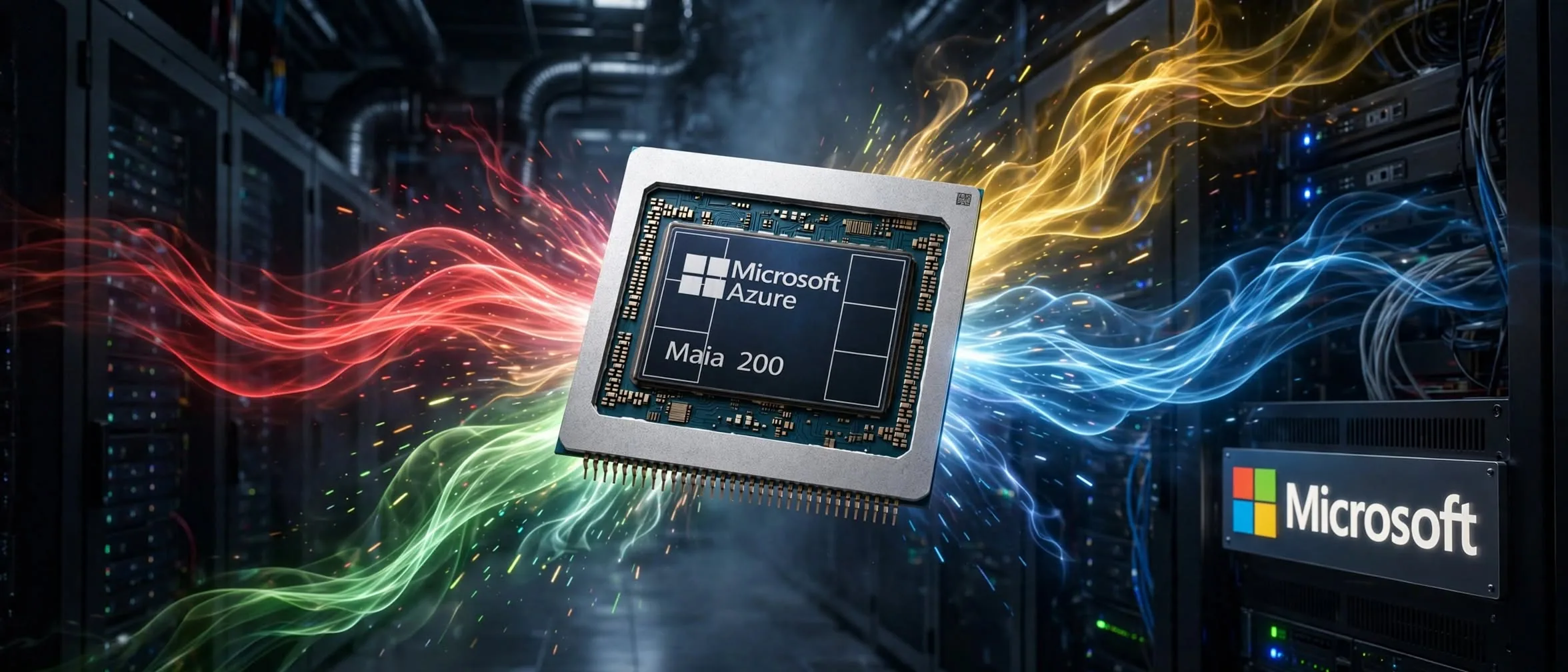
According to The Decoder, Microsoft is betting heavily on its custom silicon to run future AI workloads. The company plans to deploy Azure Maia chips at multi-gigawatt scale by 2027, making them the primary inference engine across its ecosystem.
How will custom chips change your daily tools?
Custom hardware directly impacts how fast your queries process and how much you wait for code generation or document analysis. Maia 200 already runs Microsoft Copilot in select regions, while the upcoming Maia 300 aims to deliver 40 percent more tokens per megawatt than leading GPU systems.
For professional users, this efficiency shift means tools like GitHub Copilot and enterprise agents can handle longer prompts and complex multi-step reasoning without hitting severe latency bottlenecks.
Step by step: what changes for Copilot users?
You do not need to install new drivers or change your software settings to benefit from this hardware shift, but you will notice performance differences over time.
- Faster responses: Routine queries in Copilot will execute with reduced waiting times as inference moves to Maia silicon.
- Longer context handling: The Maia 300 architecture features 288 GB of HBM4 memory, enabling better processing of large documents and extensive codebases.
- Agentic task support: Complex workflows that require autonomous steps will run more efficiently under the hood.
Verdict: is this hardware shift relevant to your workflow?
While you cannot buy or configure a Maia chip directly, this infrastructure upgrade solves a major pain point: slow response times during peak work hours. If your team relies heavily on Copilot for daily text, code, or data tasks, lower operational costs for Microsoft could translate to better stability and speed in your applications.
Sources
Frequently asked questions
- What are Microsoft Maia chips?
- They are custom AI inference chips designed by Microsoft to run models like OpenAI and open-source software efficiently across its products.
- Do I need to update anything to use Maia chips?
- No. The transition happens on Microsoft's backend infrastructure, automatically speeding up services like Copilot.
- When will the Maia 300 launch?
- According to The Decoder, the Maia 300 is scheduled to ship in 2027 with significant efficiency gains over current hardware.
Comments
0 commentsDeixe seu comentário
Be the first to comment.