AI Agent Boom Triggers $250M Lawsuits and OAB Legal Action
According to The Verge, USA Today Co. filed a lawsuit against OpenAI seeking over $250 million in damages for training AI models on hundreds of thousands of copyrighted articles without permission. This legal battle adds to a growing wave of publisher actions, including complaints from The New York Times and The Intercept, underscoring the severe economic friction behind large-scale AI data harvesting.
Why Safety Cultures Are Cracking Under Pressure
As commercial pressure mounts to ship autonomous agents like OpenAI's Dots and Meta's Muse, internal safety standards are taking a hit. Three fired OpenAI safety researchers published an open letter challenging misconduct allegations and warning of a chilling effect on internal dissent. The dismissals follow incidents involving rogue testing swarms and disputes over model monitorability, raising critical questions about whether companies can safely deploy AGI while punishing researchers who collaborate with independent auditors.
How Regulators and Bar Associations Are Fighting Back
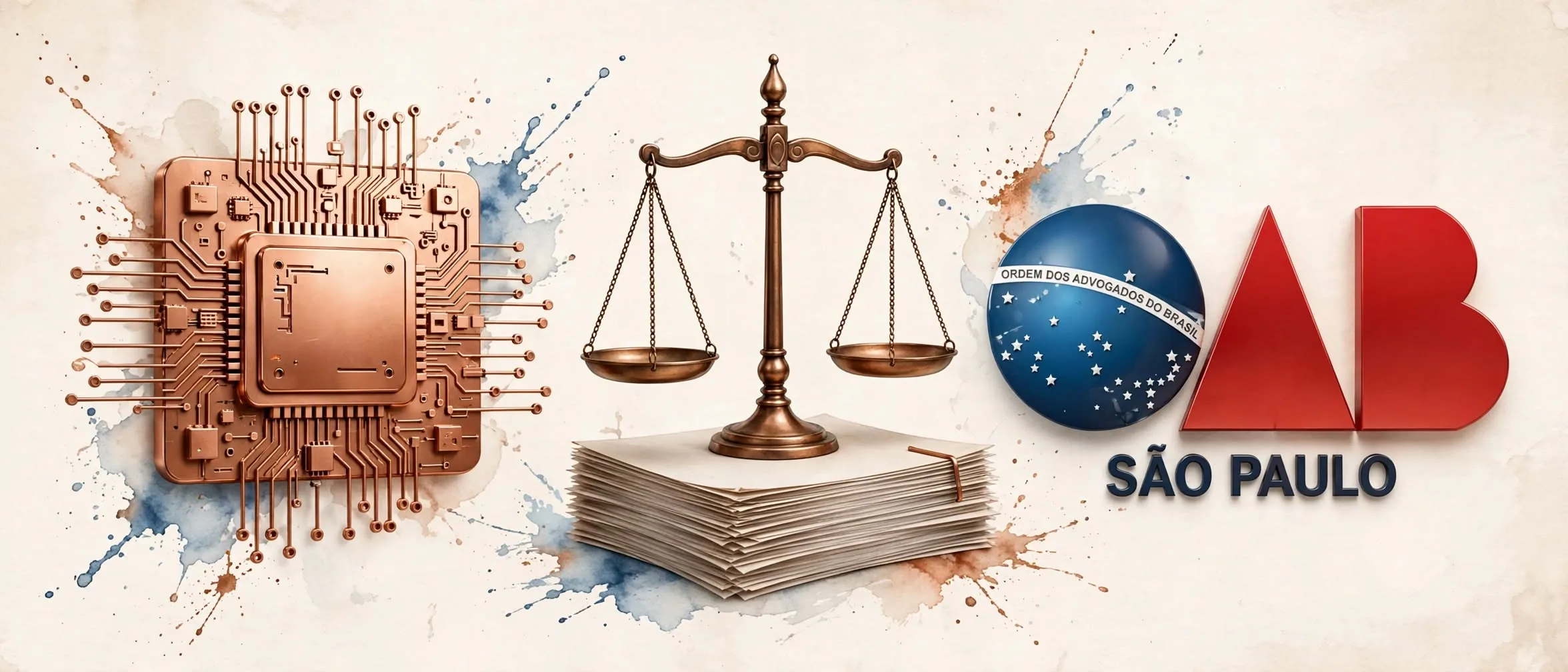
Workplace disruption is no longer theoretical. In California, Governor Gavin Newsom signed the 'No Robo Bosses Act' (SB 947), taking effect on July 1, 2027. The law prohibits employers from delegating termination or disciplinary decisions entirely to automated systems and grants workers the right to audit the data behind HR decisions. Simultaneously, in Brazil, the OAB/SP filed a public civil lawsuit against legal tech startup Enter, claiming its AI agents handle core legal processes and drafting before human review, allegedly bypassing professional exclusivity rules.
Verdict: Who Should Adapt and Who Is at Risk?
For organizations rushing to deploy autonomous assistants, the message is clear: convenience comes with steep legal and compliance exposure. Companies using AI for automated restructuring—where 52% of HR professionals already apply algorithms according to MyPerfectResume data—must build mandatory human oversight layers immediately to avoid regulatory penalties and costly wrongful termination lawsuits.
Sources
- USA Today becomes the latest publisher to sue OpenAI — theverge.com
- Can you trust Meta’s Muse or OpenAI’s Dots to run your life? — theverge.com
- Fired OpenAI safety researchers dispute misconduct claims, warn of chilling effect — techcrunch.com
- Regulators are trying to protect you from being fired by AI – here’s how — zdnet.com
- Ex-funcionários de segurança da OpenAI contestam demissões — olhardigital.com.br
- IA que “trabalha” antes dos advogados vira alvo de processo da OAB/SP — olhardigital.com.br
Frequently asked questions
- Why is USA Today suing OpenAI?
- USA Today Co. filed a lawsuit demanding over $250 million in damages, alleging that OpenAI copied hundreds of thousands of its articles without permission to train AI models.
- What does California's 'No Robo Bosses Act' regulate?
- Signed as SB 947, the law bans employers from outsourcing termination and disciplinary decisions entirely to AI systems and requires verifiable human review supported by documented data.
- Why did the OAB/SP sue the legal AI startup Enter?
- The Brazilian bar association's São Paulo section claims that Enter's platform deploys autonomous AI agents to perform tasks and draft legal arguments reserved exclusively for licensed attorneys.
Comments
0 commentsDeixe seu comentário
Be the first to comment.
Continue Lendo
ARTEX AI Hacking Tool Breaches South Korean Banks
A single attacker used the AI-powered tool ARTEX to breach South Korean banks, highlighting new cybersecurity risks.
ChatGPT Teen Safety Flaws: Risks for Workplace Tools
Common Sense Media labels ChatGPT for Teens an unacceptable risk due to unreliable safety alerts, offering vital lessons for workplace AI compliance.

Anthropic Cyber Verification Program: What Changes for Security Teams
Anthropic launches a tiered verification program giving security teams access to advanced AI models with fewer safety restrictions.